they weren’t afraid to love; how can you be afraid to talk about their life?
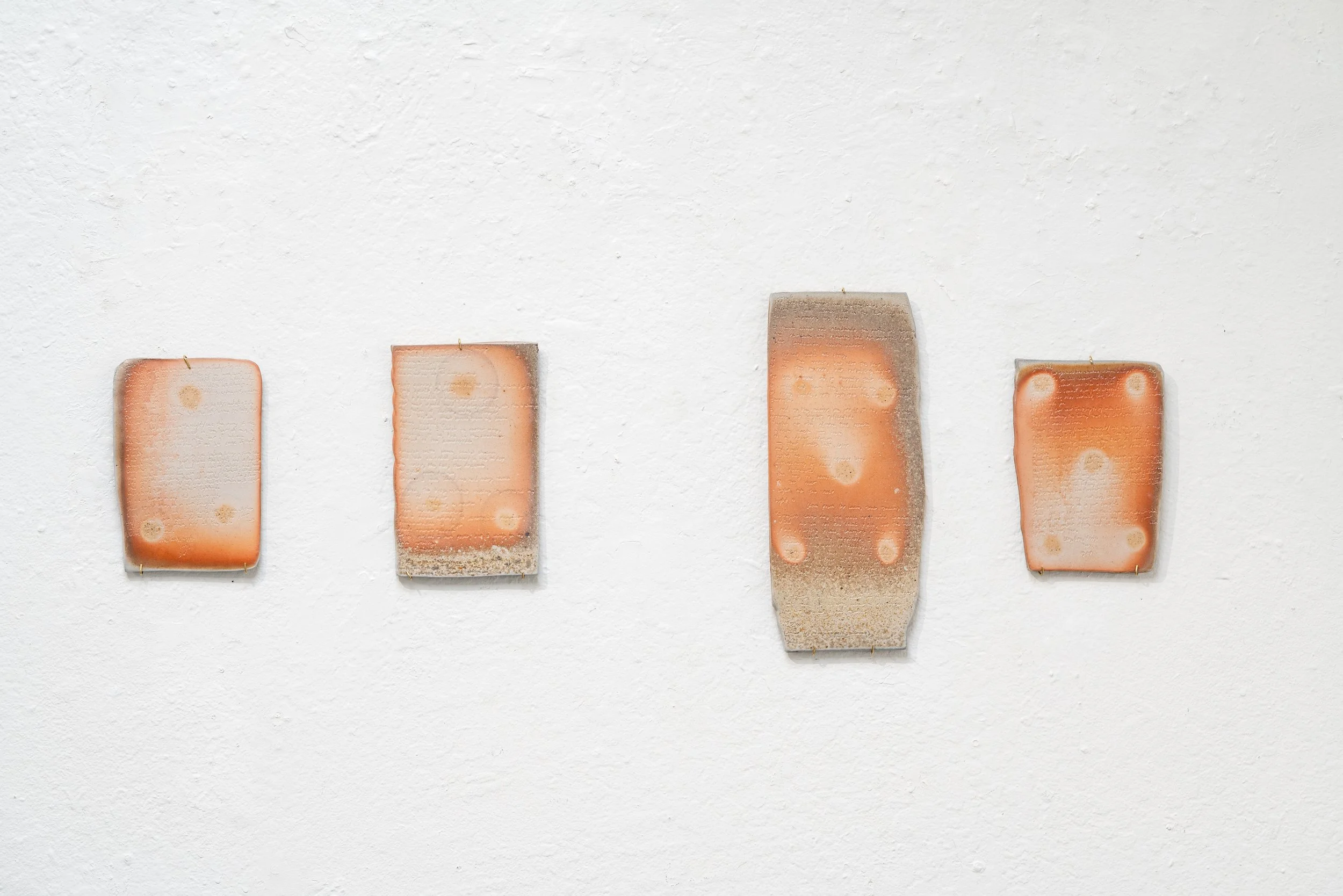
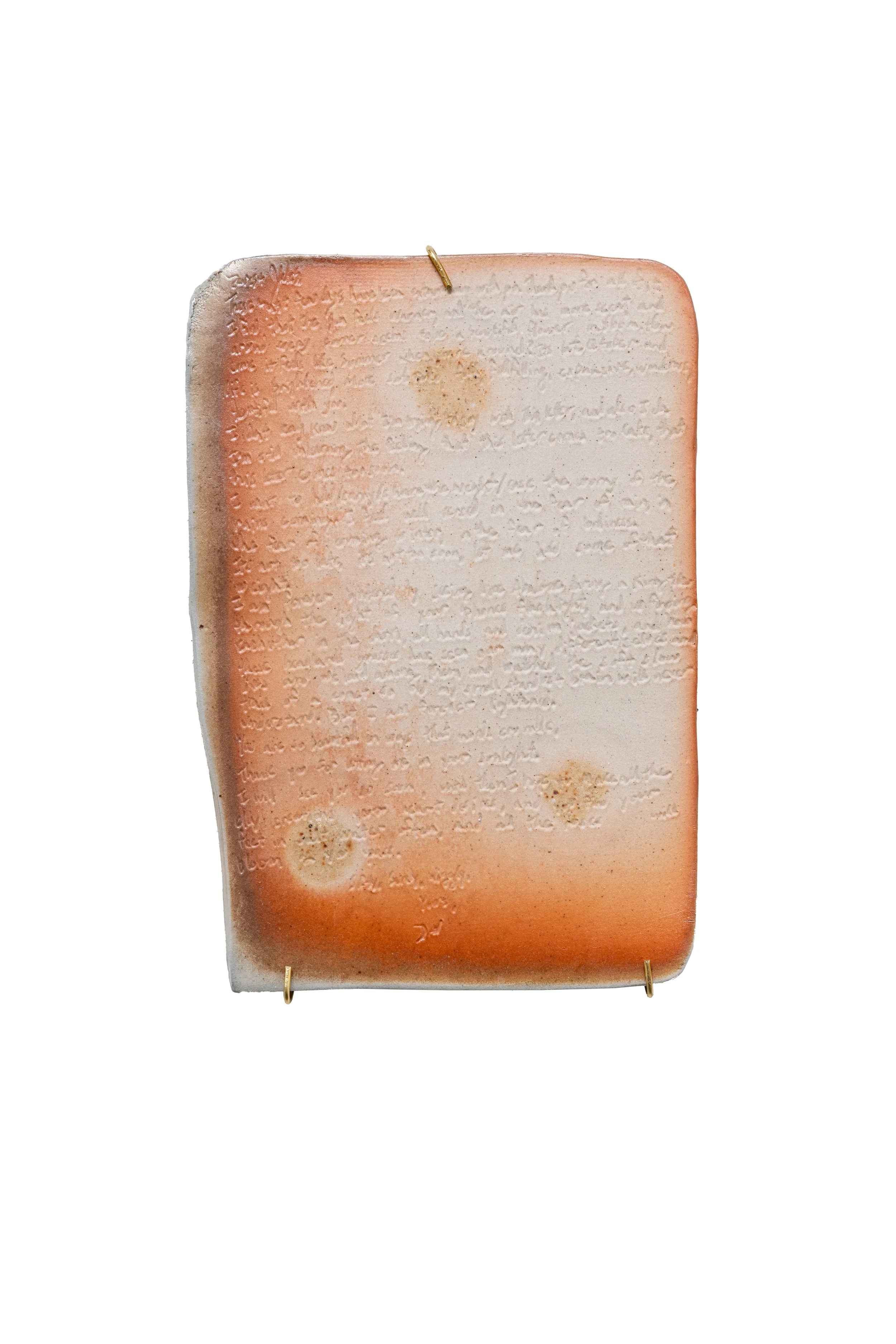
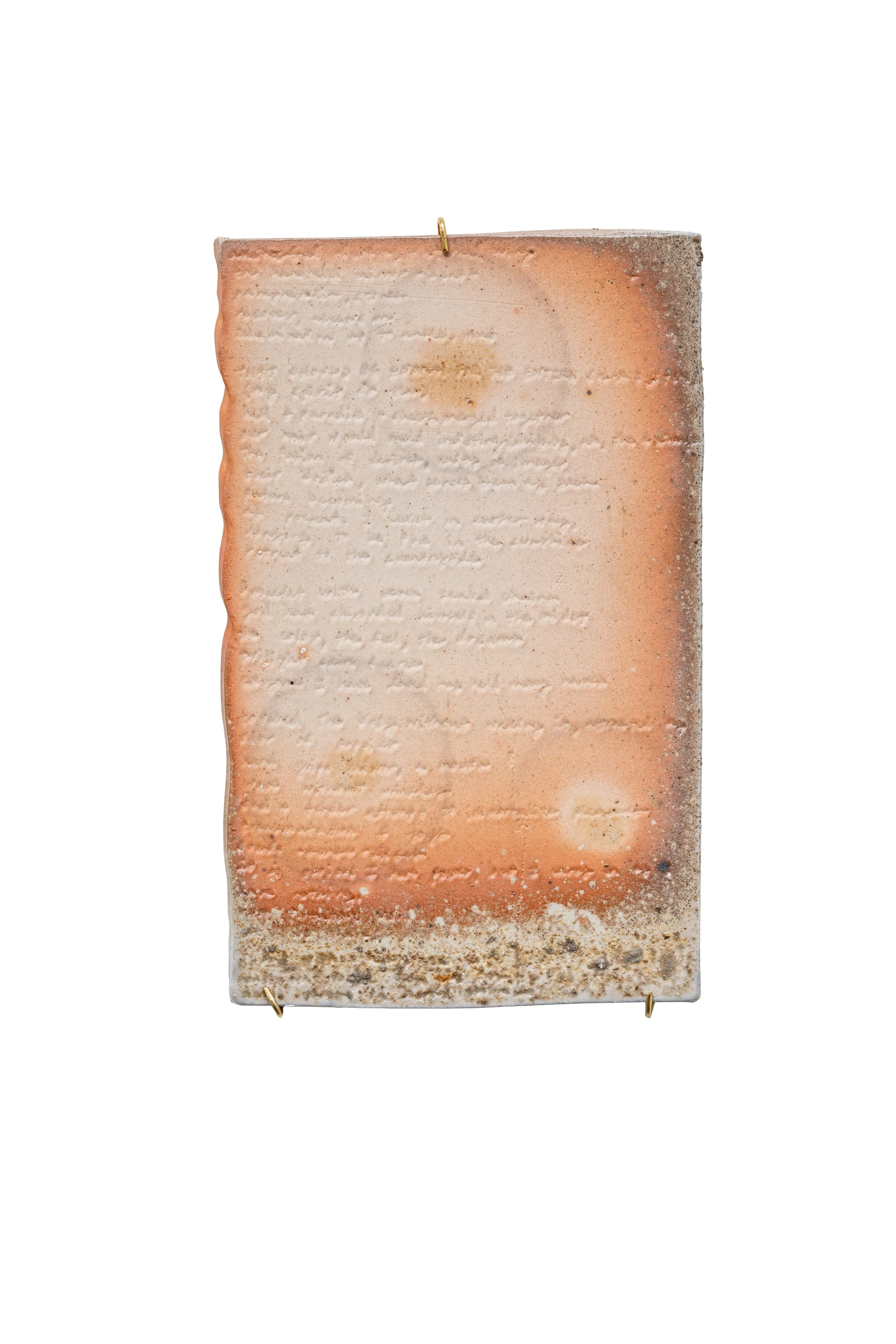
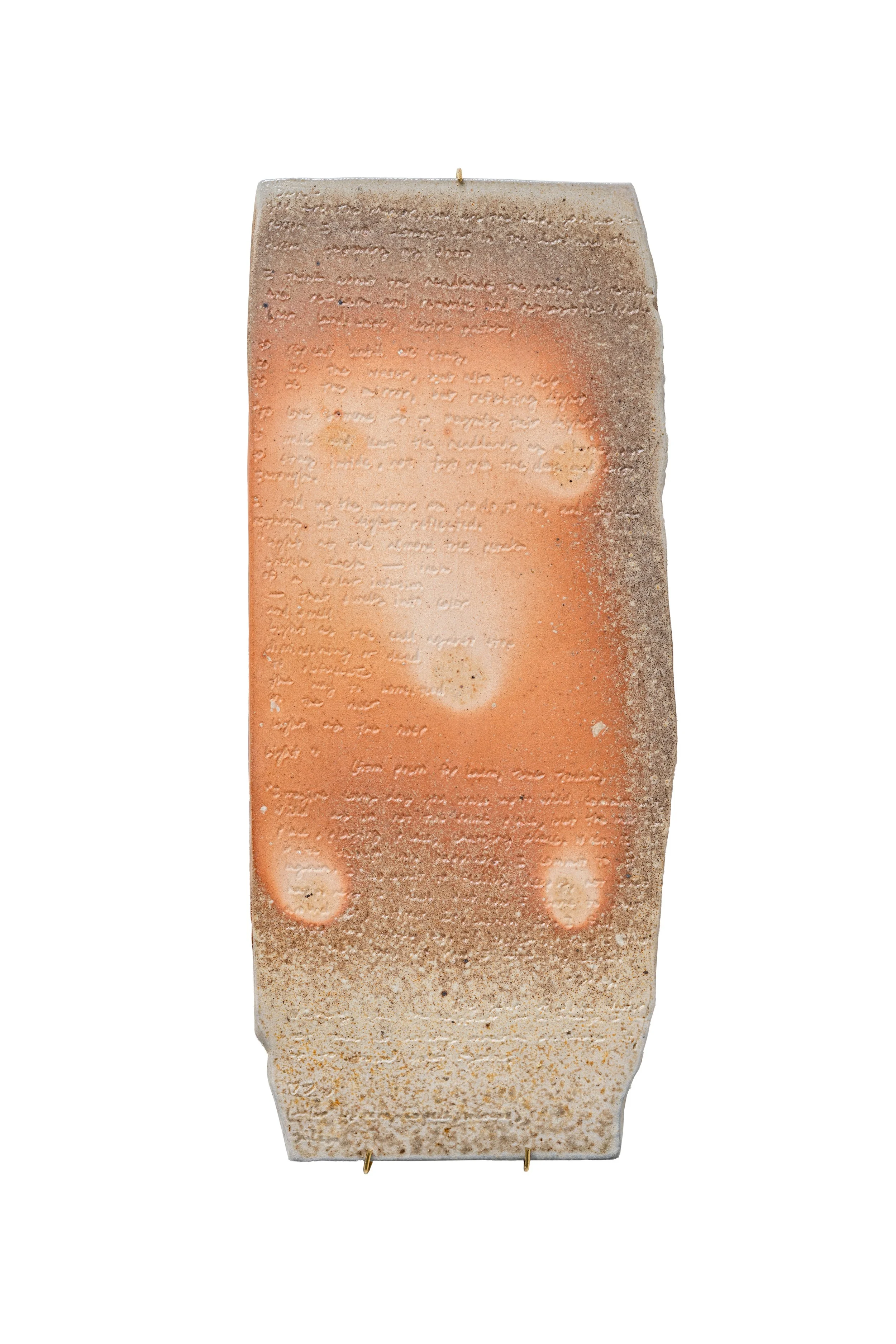
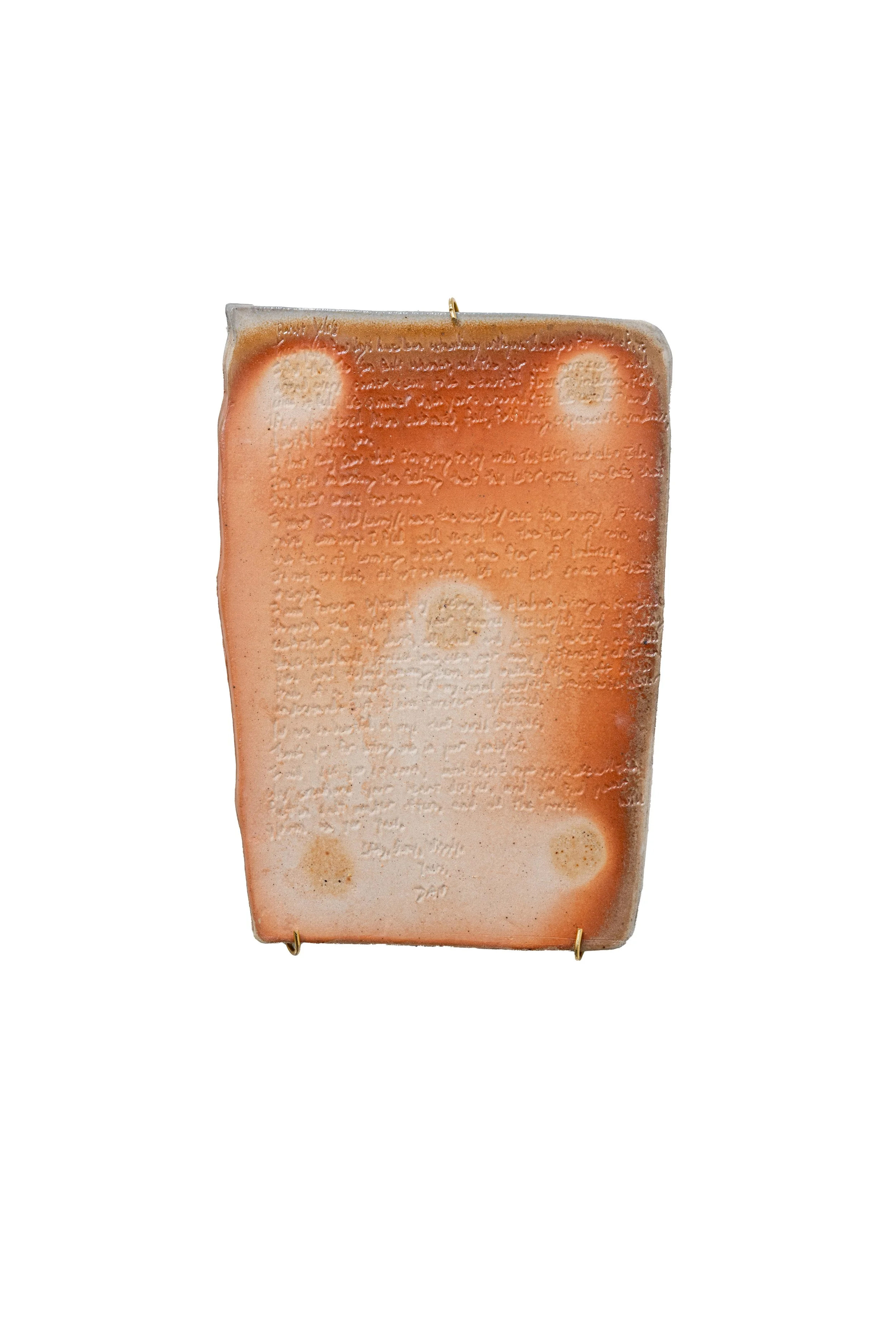
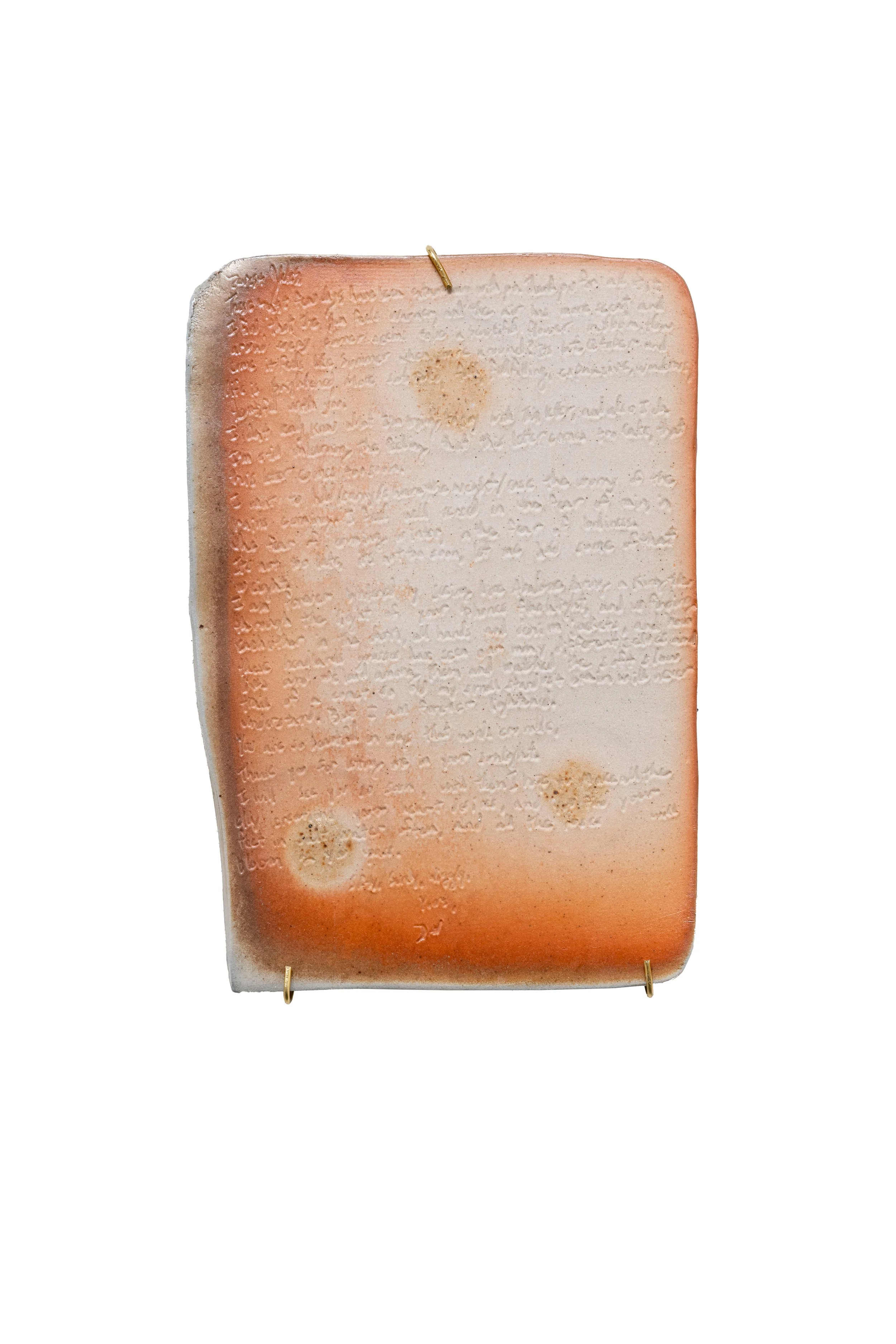
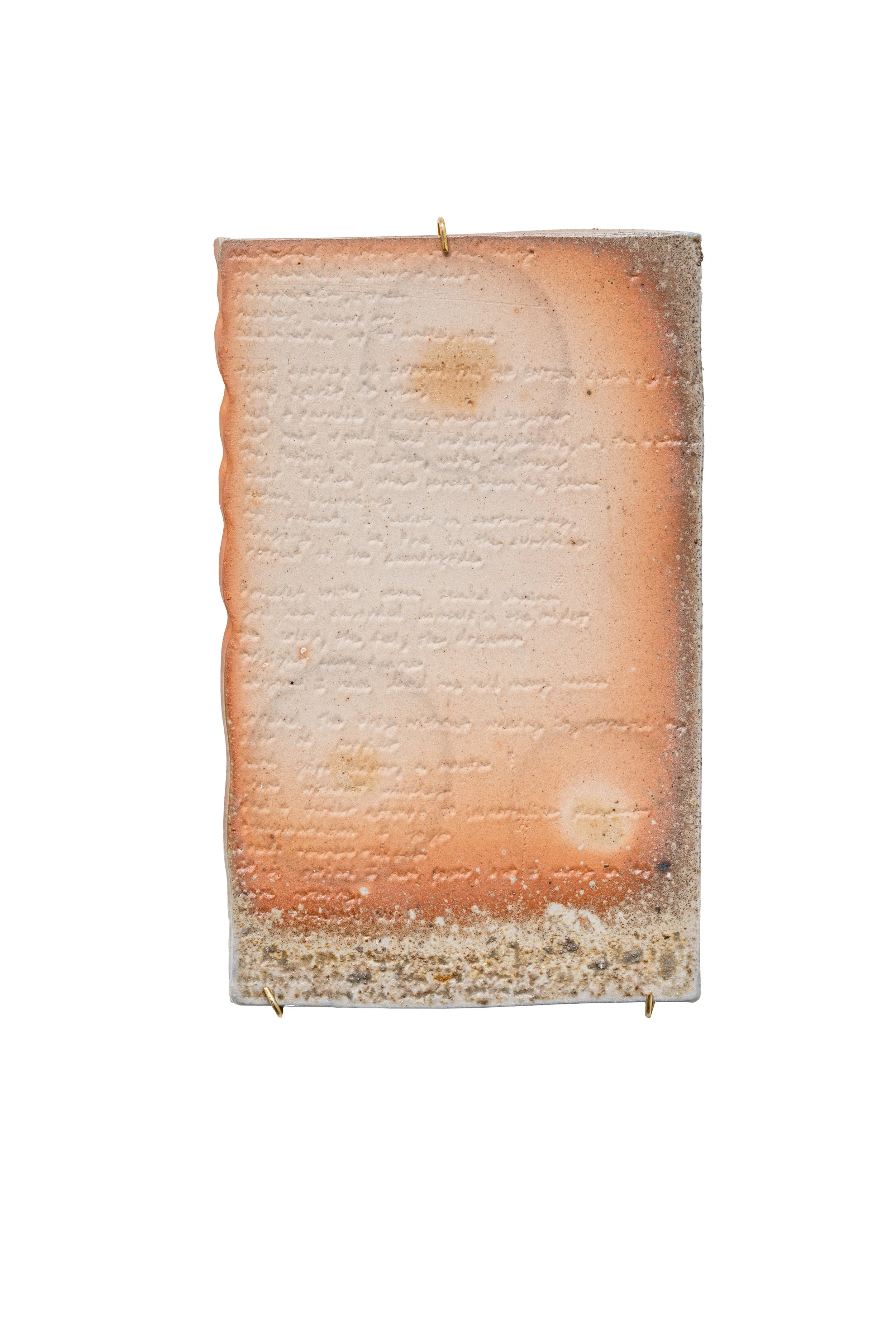
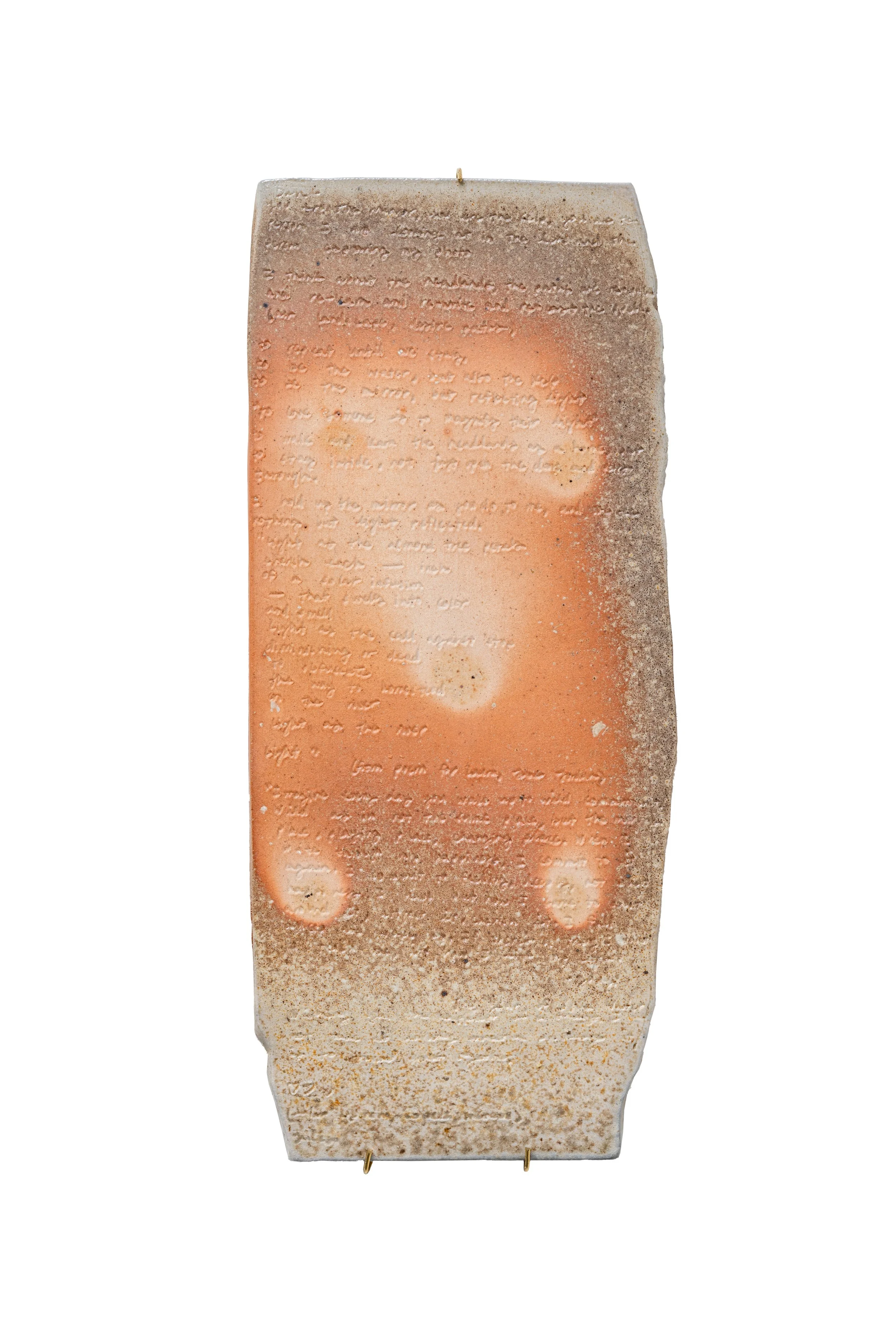
wood/soda-fired ceramic
Installed at the Mendocino Art Center
How Can So Many Petals Become a Flower? (April 2025)
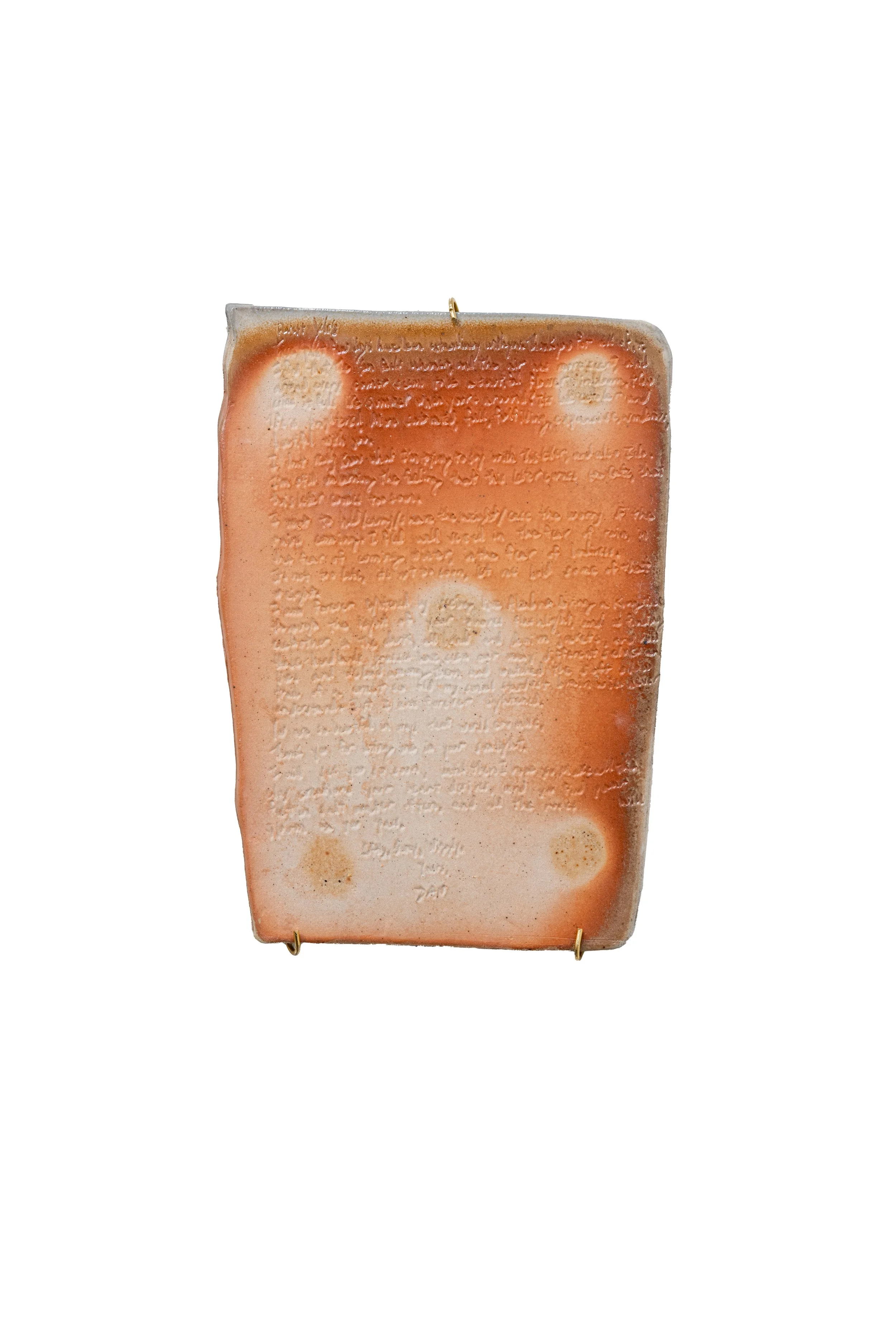
I have been inspired by personal queer archival histories -
American legislation serves as a reminder that queer people have never sought out validity through laws, but have redefined what holds value by preserving letters, photographs, and other documentation of abundant life. Books such as Sinister Wisdom: Forty-Five Years: a Tribute to the Lesbian Herstory Archives explain the personal archive as such: “having an archive means having the power to wield your own vision of yourself in the world.” (Thistlethwaite 40). People would send in photos of themselves to the Lesbian Herstory Archives of them and their partners as a way of saying: I am a part of this, remember me. I am also touched by the idea that the LHA was kept in a home, so there was always a feeling of tending and care. What does it mean to place our archive in a living room in a well-loved home, or if our archive is a photograph of us and a lover, or a carefully crafted letter? What if we saw our archive as the objects we keep on our dining room table, or the stones we keep in our pockets? This intimate stewardship and recategorization of an archive holds tenderness and power. By keeping an archive within the hands of the community it documents, we have control. Thistlewaite writes, “a public or academic institution would allow re-colonization of [queer] lives and history” (44). We have seen censorship and erasure of queerness in public institutions, we have seen nonprofits tokenize us and use us for funding, we know this well. I see so much more value in the personal archive, versus aiming for recognition through legislation or institution. I want to be known by the things that I give value to.
In keeping our own archives, I also think about the objects left behind after one dies - what becomes sacred, what gets passed down, and how one can be remembered. I have also been reading Letters to Jean-Pierre, a collection of David Wojnarowicz’s postcards to his lover. These letters recount David’s day to day and his yearning to connect with Jean Pierre, who lives in another country. His words document devotion, and this becomes the record. Something that was maybe not intended to be public when it was created, but we later search for recognition in these words, in the hundreds of letters, and we preserve it because it becomes sacred. We don’t use these documents to prove that our queer ancestors existed, but to understand the way they lived, to see ourselves in their words.
These ideas guide my work, as I search for my ways to solidify my existence. Not to necessarily make it public for others to validate, but rather as a practice of making my work archival - that I am worth documenting/how I move through the world is worth documenting. As a practice of affirming myself for taking up space as I am, as my fullest self.
I have chosen to trace written letters between my partner and I from the early months of 2025. Our hand-writing and our words, carefully preserved as an archaic object.